Best screen mesh types for screened porches: which one I would choose, and when
September 10, 2026
Last updated: September 10, 2026
Key Takeaways
- Fiberglass is usually the simplest all-around pick for screen mesh types screened porches.
- Those exceptions matter because a generic “best screen mesh” answer often ignores the actual problem.
- Flexible. Easier to install.
- The trade-off is plain: fiberglass stretches and gets nicked more easily than stronger mesh types.
Quick answer: for screen mesh types screened porches, I would usually start with fiberglass, then move to polyester if the porch gets heavy use, pets, or repeated contact. Standard porch mesh is often sold in 18×14 weave, while no-see-um mesh is often 20×20 or tighter. I write about building materials and outdoor enclosure choices, and this comes down to what you are trying to stop: insects, sun glare, pets, wind, or fast wear. One roll can transform a porch.
The screen mesh choice that solves most porch problems
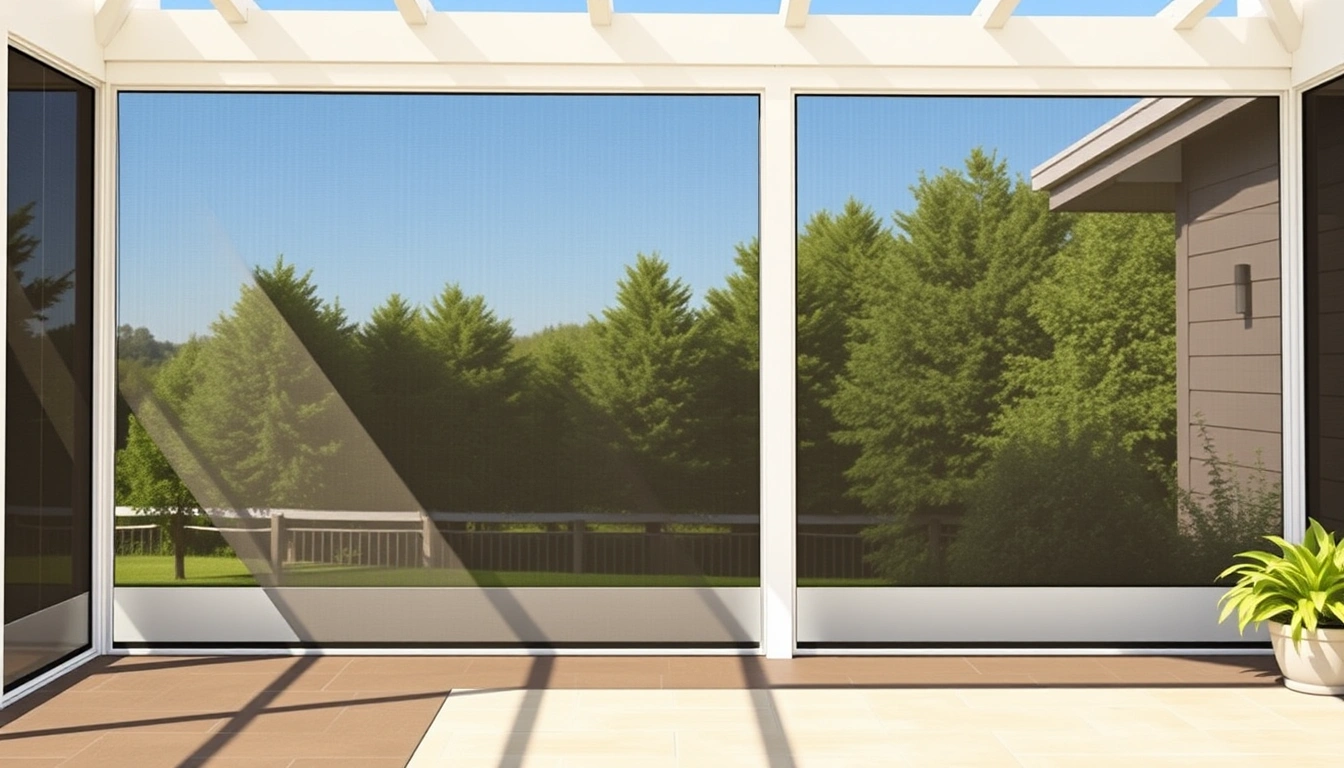
Fiberglass wins for most screened porches because it gives you the least painful mix of cost, visibility, and easy installation. Standard fiberglass screen is commonly sold in 18×14 weave, which means about 18 strands per inch in one direction and 14 in the other; that pattern is open enough for airflow and visibility, yet tight enough for mosquitoes in ordinary porch use. And it is flexible, so it rolls into aluminum or vinyl frames more easily than stiffer materials.
Still, the downside is real. Fiberglass stretches and can get nicked more easily than stronger mesh types. If kids lean on the screen, dogs brush past it, or chairs scrape the lower panels, wear shows up sooner. Sun takes its toll too; UV and weather age it, and the exact lifespan depends on climate and exposure. A porch screen is not armor. Never was.
Fiberglass is the right pick if your porch is a sitting space, not a pet barrier. Honestly, I would rule it out for lower panels on a family porch where the screen gets touched every day. Then the savings vanish fast if you keep replacing torn sections.
If you are comparing products, look for the screen sold through the manufacturer’s site plus major retailers like Amazon or Home Depot, so you can compare the same roll or kit across more than one seller. In practice, that means checking the same mesh count, roll width, and warranty before you buy. Short list first. Then buy.
Is fiberglass screen mesh good enough for screened porches?
Yes, fiberglass is good enough for many screened porches, but only if you care more about comfort than punishment resistance. The reason it shows up so often is simple: it is forgiving during installation and does not corrode. That matters on porch jobs, where frames are often aluminum, and installers want a screen that seats cleanly in spline channels without fighting them. No wrestling match.
What fiberglass does well:
– It keeps a porch feeling open.
– It is easy to work with on large openings.
– It usually costs less than heavier mesh types, though I am avoiding price claims because they move constantly.
What fiberglass does poorly:
– It can sag more than stiffer meshes over long spans.
– It can tear when pets push into it.
– It is not the best option if your porch gets strong wind pressure or repeated impact.
I would not recommend fiberglass for a porch that doubles as a dog run or a children’s rough-and-tumble zone. I would also skip it if your biggest complaint is sunlight rather than bugs. Fiberglass blocks bugs; it does not solve glare in the way a solar shade screen can. Different tool, different job.
If you want the lowest-friction answer and you are not building a barrier wall for animals, fiberglass is still the first mesh I would shortlist. Plain? Yes. Wrong? Usually not. For many homeowners, that balance is enough.
Polyester screen mesh: stronger, tighter, and better for abuse
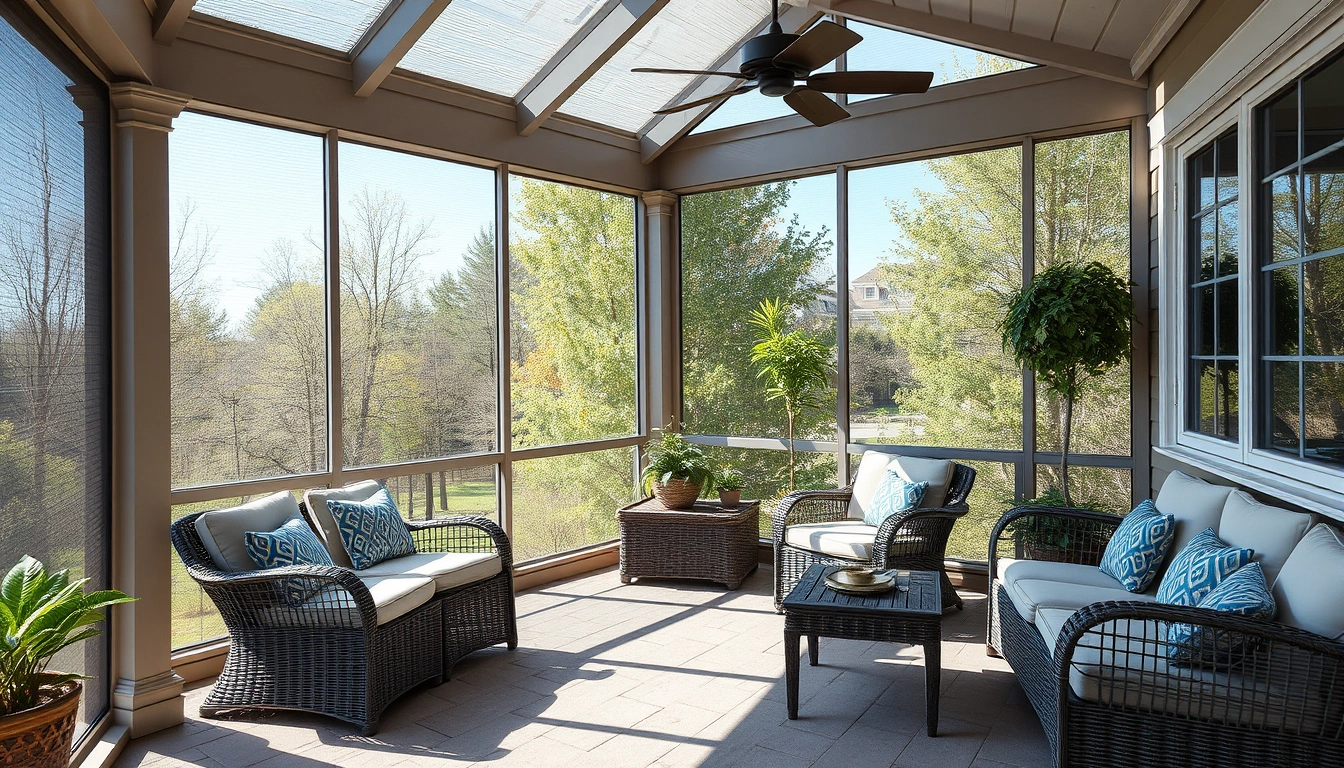
Polyester wins when durability matters more than easy handling. It is the better choice for screened porches that face pets, frequent use, or a homeowner who wants fewer repairs over time. Polyester is typically coated for extra weather resistance, and that coating is one reason it handles outdoor exposure better than basic fiberglass in many applications.
The upside shows up where fiberglass gives up. Polyester holds shape better, resists tearing better, and usually tolerates more contact before it fails. If you are screening a porch with low railing sections, or people lean on the screen while sitting nearby, polyester makes more sense. Some polyester screens are sold as “pet screen” or “tear-resistant” mesh; those labels usually signal thicker yarns and a tougher weave, not magical indestructibility. Good stuff. Not magic.
The downside is just as clear: it is harder to install and can be less forgiving when you are rolling it into the frame. If a DIY installer wants the easiest first-time job, polyester may feel fussy. It can also reduce openness a little more than standard fiberglass, depending on the weave and strand thickness.
I would not choose polyester for a lightweight porch where the screen only needs to keep insects out and the homeowner wants the most airy look possible. You are paying, in labor and sometimes in visibility, for resistance you may never use. But for pet-heavy porches, coastal wind, or any porch where replacement is annoying, polyester is the smarter long-term material.
How does aluminum screen compare with fiberglass and polyester?
Aluminum wins when you want stiffness and a cleaner, crisper look, but it loses on dent resistance. It is the mesh I would consider for a porch that needs structure and decent airflow, not brute durability. Aluminum screen often feels more rigid than fiberglass, which can make it sit neatly in the frame and look tidy once installed. Clean lines. That is the appeal.
Its strengths are practical:
– It does not stretch like fiberglass.
– It keeps a flat appearance in many porch frames.
– It is less likely than soft mesh to billow in mild wind.
Its weak spot is the one buyers discover fast: it dents. A broom handle, a pet claw, or a careless chair leg can leave a permanent mark. Once kinked, aluminum does not recover the way a softer material might. That makes it a poor choice for lower panels, kid-height sections, and any porch where people routinely brush against the screen.
I would not buy aluminum if your porch is a high-contact space or if you value a nearly invisible barrier. It is also not the best answer for coastal or damp locations where you want the lowest-maintenance material; corrosion resistance depends heavily on the alloy and coating, and the listing often does not spell out enough to judge that clearly. Annoying, but true.
Aluminum belongs in porches where the owner wants a sharper, more rigid look and expects light use. If you are building around pets or frequent touch, skip it.
The honest side-by-side: fiberglass vs polyester vs aluminum
Fiberglass wins on ease and balance. Polyester wins on toughness. Aluminum wins on stiffness, but only if you can avoid dents.
| Criteria | Fiberglass | Polyester | Winner for |
|---|---|---|---|
| Ease of installation | Flexible and forgiving in most standard spline frames | Harder to tension cleanly | DIY installs |
| Resistance to tearing | Moderate | High | Pets and heavy use |
| Resistance to dents | Does not dent, but can tear | Does not dent, stronger than fiberglass | Contact-heavy porches |
| Shape retention | Can stretch over time | Better tension holding | Large spans |
| Airflow and openness | Usually very good in standard 18×14 mesh | Varies; some heavier weaves feel tighter | Most open feel |
| Visibility | Good | Good to fair depending on weave | Least visual obstruction |
| Weather and UV tolerance | Decent, but not the toughest | Often better in coated outdoor versions | Longer-term wear |
| Damage from impact | Tears or loosens | Better resistance to impact | Kids and dogs |
| Best fit | General screened porch use | Rougher-use porches | Most people who want one safe pick |
My read is simple: if you only want one screen type and you do not already know your porch will take abuse, choose fiberglass. If you already know there will be pets, leaning, or repeated handling, choose polyester. Aluminum is the specialist’s choice, not the default.
What mesh counts as “no-see-um” protection?
No-see-um mesh works only when the insects are tiny enough to make standard 18×14 screen feel useless. The term usually refers to finer-weave mesh, often around 20×20 or tighter, sold to block very small biting insects commonly called no-see-ums or midges. That tighter weave matters in marshy, coastal, or wooded areas where ordinary porch screen still leaves you swatting. Tiny bugs. Big annoyance.
The cost of that protection is lower airflow and less transparency. A 20×20 screen blocks more air and light than a looser mesh, so the porch can feel warmer and slightly more enclosed. It also catches more dust and pollen. That is not a minor trade-off; for some porches it is the whole decision.
I would choose no-see-um mesh only if the insect pressure is specific and real. It is the wrong purchase if your main bug problem is mosquitoes, because a standard porch screen usually handles those well enough. It is also the wrong answer if your porch already runs hot in summer or if you want a near-open view across a yard or lake.
If the listing says “pet resistant,” “solar,” or “privacy,” do not assume it also solves no-see-ums. Those are different products built for different jobs. Fine mesh buys insect control, not every kind of comfort. The label matters as much as the weave count.
When should I use solar or privacy screen instead?
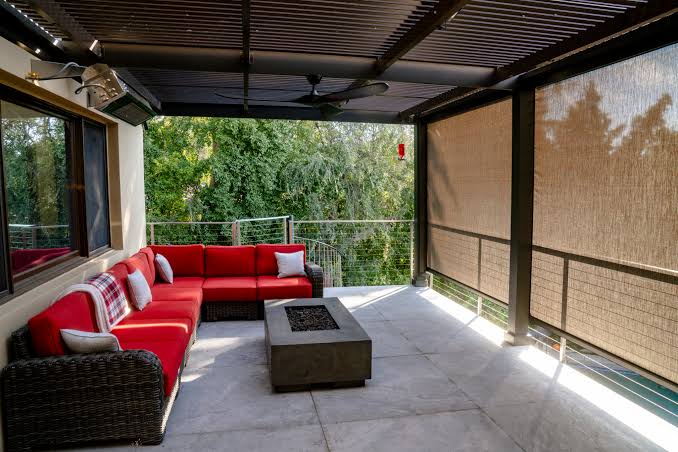
Solar or privacy mesh wins when shade and sightline control matter more than maximum airflow. These meshes are usually denser than standard porch screen and are used when the porch gets harsh afternoon sun, when furniture fades, or when you want less visibility from neighbors or the street. A denser weave can make a screened porch feel more like an outdoor room.
The downside is plain: you give up openness. Less sunlight also means more visual weight and often less breeze. If your porch is already shaded, solar mesh can make it feel darker than you want. That is why I would not recommend it as the default answer for a screened porch whose main job is insects and fresh air.
This category is also easy to misuse. People buy solar mesh expecting it to behave like standard screen plus shade, then dislike the reduced view. If you want the screened-porch feeling to stay light and open, this is not your first choice. If you want afternoon comfort and some privacy, it can be exactly right.
Look for a manufacturer’s stated shade percentage or openness rating where available, and compare the actual listing on the brand site and a second retailer before buying. The same product family may come in multiple densities, and that detail changes the whole experience. For example, a 60% shade screen and a 90% shade screen do very different things.
Exception scenarios that change the verdict
Fiberglass is not always the answer, and polyester is not always the upgrade. There are a few cases where I would flip the recommendation.
- You have dogs that hit the screen. Polyester wins, and I would not consider fiberglass for the lower panels.
- You live with tiny biting insects. No-see-um mesh wins over standard 18×14 screen, even though it reduces airflow.
- You want the stiffest, cleanest-looking panel for light-use sections. Aluminum can win, as long as dents are unlikely.
- Your porch gets intense sun and you care about shade more than openness. Solar or privacy mesh beats ordinary bug screen.
Those exceptions matter because a generic “best screen mesh” answer often ignores the actual problem. The mesh is not one thing. It is a trade between visibility, airflow, toughness, and insect size.
My verdict: which screen mesh should you buy?
Choose fiberglass if you want the best general-purpose screen for a normal porch, with easy installation and a light, open feel. Choose polyester if you have pets, kids, or repeated contact and you want the tougher option that is less likely to tear. Neither if your real need is shade, privacy, or no-see-um control, because standard porch mesh will not solve those problems well.
FAQ
What is the most common screen mesh for screened porches?
Fiberglass is the most common default because it is flexible, easy to install, and works well in standard porch frames.
What mesh should I use for pets?
Polyester, often sold as pet screen, is the better pick because it resists tearing better than fiberglass. It is still not claw-proof.
Does tighter mesh always mean better?
No. Tighter mesh blocks smaller insects, but it also cuts airflow and can darken the porch. A 20×20 screen is not automatically better than 18×14.
Can I mix mesh types on one porch?
Yes. Many people use tougher mesh on lower panels and standard fiberglass higher up. That is often the smartest compromise for family porches.
Is aluminum screen worth it?
Only for light-use porches where stiffness matters more than dent resistance. If people or pets will touch it often, I would skip it.